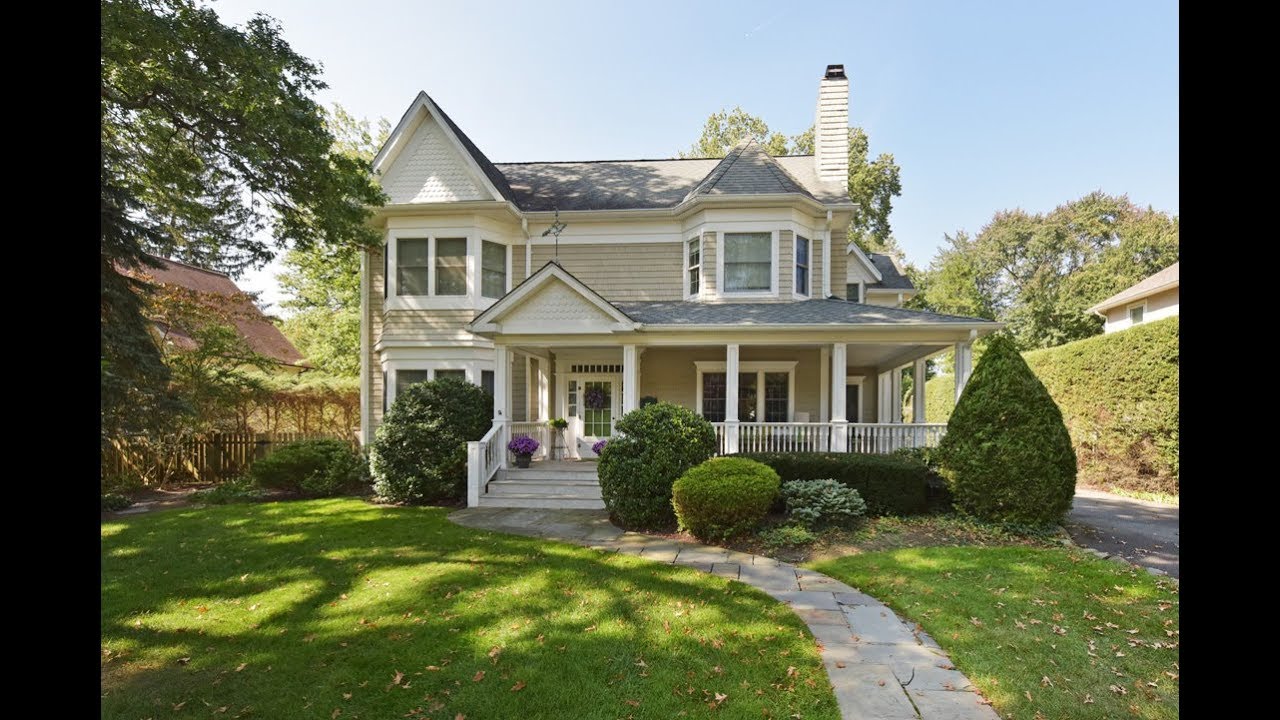

Inheriting a house in New Jersey can feel like a second job layered on top of grief. Suddenly you are responsible for a property that may need repairs, sit vacant, carry ongoing taxes and insurance, and require coordination with siblings or other heirs — all while the Surrogate’s Court process moves at its own pace.
The good news is that you do not have to keep the house, list it for months, or spend your own money fixing it up. Many New Jersey families choose to sell inherited property quickly and as-is once the legal authority to sell is in place. This guide walks through the practical steps, tax realities, and sale options so you can move forward with clearer information.
Key Takeaways
- Most inherited New Jersey homes require appointment of an executor or administrator by the county Surrogate’s Court before a sale can close.
- Class A beneficiaries (spouse, children, grandchildren, parents, etc.) are generally exempt from New Jersey inheritance tax.
- The federal stepped-up basis usually resets the property’s cost basis to fair market value at the date of death, often minimizing capital-gains tax if you sell relatively soon.
- Cash buyers who purchase as-is can close in days or a few weeks after authority is granted, avoiding repairs, showings, and financing contingencies.
First Things First: Secure the Property and Confirm Authority
Before any sale conversation, protect the asset. Change the locks if needed, keep utilities on, maintain insurance (and notify the carrier if the home will be vacant — many policies have vacancy clauses), and continue paying property taxes. Forward mail and consider a basic clean-out only if it is safe and practical.
Next, determine how title was held. If the home was solely in the deceased’s name, probate is usually required. If it was held as tenants by the entirety, joint tenancy with right of survivorship, or in a living trust, title may pass outside probate and the path is simpler.
When probate is required, the will (if any) and death certificate are filed with the Surrogate’s Court in the county where the decedent lived. After a short waiting period, the court issues Letters Testamentary (if there is a will) or Letters of Administration (if there is none). These documents give the named person legal authority to act for the estate, including signing a deed. Official self-help information and forms are available through the New Jersey Courts Self-Help portal.
You generally do not need to wait until the entire estate is closed to market or sell the house. Once Letters are issued, the executor or administrator can usually enter a contract and close, with proceeds flowing into the estate for later distribution.
New Jersey Inheritance Tax and Capital Gains Basics
New Jersey repealed its estate tax for deaths on or after January 1, 2018, but it still imposes an inheritance tax based on the beneficiary’s relationship to the decedent.
Class A (spouse, civil-union partner, domestic partner, child, grandchild, parent, grandparent, stepchild, and certain others) — generally exempt.
Class C (siblings, sons- or daughters-in-law) — graduated rates after a small exemption.
Class D (more distant relatives and unrelated beneficiaries) — higher rates.
An inheritance-tax lien can attach to the real property from the date of death. In many cases a tax waiver (or an applicable exception form) is needed before the deed can be recorded cleanly. Work with the estate attorney or the New Jersey Division of Taxation early so the waiver does not delay closing.
On the federal side, inherited real estate receives a stepped-up basis equal to fair market value at the date of death. If you sell soon after, the taxable capital gain is often small or zero. Inherited property is treated as long-term capital-gain property regardless of how long you actually hold it. A date-of-death appraisal or solid comparable-sales evidence helps document the basis.
Comparing Your Sale Options for an Inherited New Jersey Home
The right path depends on the condition of the house, how much time the family has, and whether maximizing price or minimizing hassle matters more.
| Sale Path | Typical Timeline After Authority | Repairs & Showings? | Best Fit For | Relative Net Proceeds |
| Cash buyer (as-is) | 7–30 days | No | Vacant homes, needed repairs, out-of-state heirs, desire for speed | Often lower than top retail, but highest certainty |
| Traditional agent listing | 45–90+ days | Usually yes | Homes in good condition with strong local demand | Highest potential price |
| Limited/FSBO listing | Variable | Often yes | Experienced sellers comfortable with pricing and negotiations | Potentially higher net if successful |
Cash sales remove financing contingencies, appraisal risk, and most repair negotiations. Traditional listings can produce a higher price when the house is market-ready and time is not critical. Many executors and heirs choose the cash route precisely because the property is vacant, needs work, or the family wants the estate settled without months of carrying costs.
Practical Steps Once You Have Authority
- Obtain a current market valuation (CMA or appraisal). This protects the executor and gives heirs a shared reference point.
- Decide whether the house will be sold as-is or with selective improvements. The math often favors as-is when repairs are extensive.
- Gather key documents: Letters Testamentary/Administration, death certificate, deed, any existing mortgage or lien information, and inheritance-tax paperwork.
- Choose the sale path that matches the family’s priorities (speed, maximum price, or simplicity).
- If working with a cash buyer, confirm they understand New Jersey estate and title requirements and can coordinate the payoff and tax-waiver process.
- Keep open communication with other heirs so expectations stay aligned.
Realistic Case Examples from Industry Experience
Case Study 1 – Out-of-state siblings, Middlesex County house
Two adult children living in other states inherited their parent’s older home. The property needed updating and had been vacant for months. After Letters were issued, they accepted an as-is cash offer, closed in under three weeks, paid off the small remaining mortgage, and split the net proceeds. Carrying costs stopped, and the estate moved toward final distribution without further family travel or contractor management.
Case Study 2 – Local executor, home in fair condition
An executor living nearby inherited a house that was structurally sound but dated. After weighing a traditional listing against the time and effort required for staging and showings, the family chose a cash sale. The closing occurred before major seasonal expenses hit, and the simplified process reduced friction among the heirs.
These patterns are common: when the house is vacant, needs work, or the heirs are geographically scattered, speed and certainty frequently outweigh the possibility of a slightly higher retail price months later.
Why Many Families Turn to Local Inherited-Property Buyers
Reputable cash buyers who specialize in inherited and estate properties understand Surrogate’s Court documents, inheritance-tax waivers, and the practical realities of vacant homes. They can often close quickly, purchase as-is (no cleaning or repairs required), and handle the coordination that would otherwise fall on the executor.
If you would like to explore what a straightforward cash offer could look like for your specific situation, the team’s inherited home support page outlines the process. Many families also value the ability to sell without repairs — details are available under as-is purchases — or simply want a fast, no-obligation conversation about rapid cash offers.
A Soft Next Step
The most useful early actions are usually to secure the property, confirm how title is held, and speak with the county Surrogate’s office or an estate attorney about obtaining Letters if they are needed. From there you can evaluate whether a traditional sale, limited listing, or as-is cash sale best matches the family’s timeline, the condition of the house, and everyone’s capacity to manage the process.
You do not have to navigate the details alone or keep paying carrying costs indefinitely. Understanding the New Jersey-specific steps and the realistic sale options available once authority is granted is the practical starting point for most families.
FAQs
Do I need probate to sell an inherited house in New Jersey?
It depends on how the property was titled. Sole ownership usually requires probate and Letters from the Surrogate’s Court. Joint tenancy with survivorship, tenancy by the entirety, or trust ownership often passes outside probate.
How long does it take to get authority to sell?
In uncontested cases, Letters Testamentary or Administration can often be obtained within a few weeks after the required waiting period and filing. Full estate administration takes longer, but the house can usually be sold once Letters are issued.
Do all heirs have to agree to the sale?
If the property is still in the estate, the executor or administrator generally has authority to sell (subject to the will and any court requirements). Once the property has been distributed to multiple heirs as co-owners, agreement among them is typically required unless a partition action is pursued.
Will I owe New Jersey inheritance tax?
Class A beneficiaries (spouse, children, grandchildren, parents, etc.) are generally exempt. Other classes may owe tax based on the amount and relationship. An inheritance-tax waiver is often needed before the deed records.
What is the stepped-up basis and why does it matter?
The federal tax basis of inherited real estate is generally reset to fair market value at the date of death. This often greatly reduces or eliminates capital-gains tax if you sell relatively soon after inheriting.
Can I sell the house as-is?
Yes. Many cash buyers and some traditional buyers will purchase inherited homes in their current condition, which removes the need for cleaning, repairs, or staging.
What documents are typically needed to close?
Letters Testamentary or Administration, death certificate, current deed information, any mortgage/lien payoffs, and the applicable inheritance-tax waiver or exception form are commonly required by the title company.
How long does a cash sale of an inherited home usually take?
Once the executor has authority and a contract is signed, closings of 7–30 days are common with experienced cash buyers who understand estate transactions.
Should I get an appraisal?
A professional valuation or solid comparable-market analysis helps set a fair price, protects the executor, and documents the stepped-up basis for tax purposes.
Where can I find official New Jersey information?
Start with the New Jersey Courts Self-Help resources and the county Surrogate’s office where the decedent lived. An estate attorney can also guide the specific requirements for your situation.