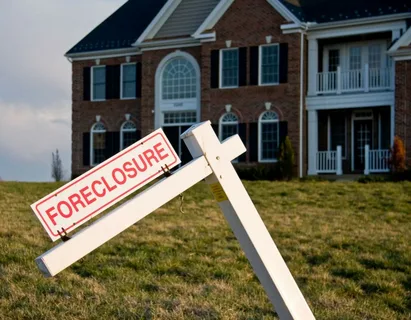
When the mortgage notices start arriving and the word “foreclosure” enters the conversation, the first feeling is often panic. Many New Jersey homeowners assume the clock is already running out. The truth is more useful: in this state you usually have more time — and more control than people realize. You can still sell your house before foreclosure is completed, often preserving equity and avoiding the heaviest long-term credit damage.
This guide walks through the actual New Jersey timeline, your legal rights, realistic sale options, and practical next steps so you can decide from a place of clarity rather than fear.
Key Takeaways
- You retain legal ownership and the right to sell until the sheriff’s sale is completed and the redemption period ends.
- New Jersey’s judicial foreclosure process is one of the longest in the country, frequently stretching 18–36 months or more from complaint to sale.
- Selling before the auction typically protects remaining equity and keeps a completed foreclosure off your credit report.
- Cash sales can close in days or weeks; traditional listings and short sales take longer and may require lender cooperation.
Understanding the New Jersey Foreclosure Timeline
New Jersey is a judicial foreclosure state. That means the lender must go through the court system rather than a faster non-judicial power-of-sale process used in many other states. The extra procedural steps, mandatory notices, and court backlogs create a longer window.
According to the official New Jersey Courts foreclosure self-help resources, the process includes several distinct stages:
- Missed payments and the 120-day federal waiting period before a foreclosure can generally begin.
- Notice of Intent to Foreclose (NOI) under the Fair Foreclosure Act — at least 30 days’ written notice that must explain the amount needed to cure, the right to sell or transfer the property, and mediation options.
- Filing of the foreclosure complaint and Lis Pendens.
- Service of the summons and complaint; the homeowner has 35 days to file an answer.
- Contested or uncontested path (contesting can add substantial time).
- Final judgment and writ of execution.
- Sheriff’s sale (scheduled within statutory time frames after judgment, subject to possible adjournments).
- 10-day post-sale redemption period.
Realistic overall timelines reported across legal and market sources commonly fall in the 18–36 month range from filing for uncontested cases, with contested matters and mediation extending further. County backlogs and individual case factors create variation, but the important takeaway is that New Jersey homeowners usually have months — often more than a year — after the formal process starts to explore options, including a sale.
For the most current official description of stages, notices, mediation, and self-help packets, see the New Jersey Courts Foreclosure Self-Help page
Can You Legally Sell Your House Before Foreclosure in New Jersey?
Yes. You remain the legal owner of the property until the foreclosure sale is completed and title transfers. No missed payment, Notice of Intent, or even a scheduled sheriff’s sale date automatically strips your right to sell. The sale simply must close before ownership changes hands through the foreclosure process.
If the sale price covers the mortgage payoff (plus any other liens and closing costs), the transaction is straightforward: proceeds pay the lender at closing and the foreclosure action is typically dismissed. If the home is worth less than the total debt, a short sale may be required, which needs lender approval and usually takes longer.
Comparing Your Sale Options in New Jersey
The longer judicial timeline gives New Jersey homeowners more flexibility than residents of faster non-judicial states. Here is a practical comparison of common paths:
| Sale Method | Typical Time to Close | Lender Approval Needed? | Best When | Credit Impact vs. Foreclosure |
| Cash buyer (as-is) | 7–30 days | Usually no (if payoff covered) | Urgency, repairs needed, or desire for certainty | Minimal — no foreclosure entry |
| Traditional MLS listing | 45–90+ days | No (if payoff covered) | Equity exists and time allows | Minimal if closed before sale |
| Short sale | 60–180+ days | Yes | Home is underwater | Better than foreclosure but still negative |
| Deed-in-lieu | 30–90 days (negotiated) | Yes | No equity and want to avoid auction | Better than foreclosure but still negative |
A cash sale is often the fastest and most certain route when time pressure is real or the property needs work. Traditional listings can maximize price when equity is solid and the timeline is comfortable. Short sales and deeds-in-lieu require more lender involvement and documentation of hardship.
Practical Steps to Sell Before the Sheriff’s Sale
- Request a current payoff statement from your loan servicer. Know the exact amount needed to clear the mortgage.
- Get a realistic market value (comparative market analysis or appraisal).
- Contact a HUD-approved housing counselor early. Free counseling helps you understand loss-mitigation options and avoid scams.
- Decide on the sale path that matches your timeline, equity position, and risk tolerance.
- If pursuing a cash offer, work with a reputable local buyer who can close quickly and handle the payoff and title issues.
- Keep the lender informed once you have a firm contract; many will pause or cooperate when a closing is scheduled before the auction date.
- Use New Jersey’s foreclosure mediation program if it is still available in your case — it can create additional negotiating space.
Realistic Case Examples from Industry Experience
Case Study 1 – Middlesex County homeowner, early complaint stage
A family had fallen several months behind after a job loss. The foreclosure complaint had been filed but no final judgment yet. They received a cash offer, closed in under three weeks, paid off the mortgage in full from proceeds, and walked away with remaining equity. The foreclosure action was dismissed. Because the sale closed well before any sheriff’s sale, no foreclosure appeared on their credit reports.
Case Study 2 – Homeowner closer to judgment, property needing repairs
Another New Jersey homeowner faced a property that required significant work and had limited time after final judgment. A traditional listing would have been difficult given the condition and timeline. They accepted an as-is cash offer that closed before the scheduled sheriff’s sale date. The lender was paid, the case ended, and the homeowner avoided both the auction and the deeper credit damage of a completed foreclosure.
These examples reflect common patterns seen by local cash buyers and agents who work with distressed New Jersey properties: earlier action preserves more options and equity; even later-stage sales remain possible when closing can be scheduled before the auction and redemption period expire.
Why Acting While You Still Can Matters
A completed foreclosure typically remains on credit reports for seven years and can drop a score substantially. Selling beforehand usually results in a far milder credit impact (or none related to foreclosure itself) and often lets you keep any equity above the payoff. It also ends the public court process and the associated stress.
New Jersey’s longer timeline is a genuine advantage if used. Waiting until the sheriff’s sale notice appears narrows the window dramatically. Starting conversations with counselors, the servicer, and potential buyers while the process is still in the complaint or judgment stage keeps the maximum number of doors open.
How Local Cash Buyers Fit Into the Picture
For many homeowners the combination of speed, certainty, and the ability to sell as-is is decisive. Reputable local cash buyers who understand New Jersey title, lien, and foreclosure procedures can often close in days or a few weeks, coordinate the mortgage payoff, and remove the uncertainty of buyer financing or lengthy inspections.
If you want a no-obligation conversation about what a cash offer might look like for your specific situation, you can explore rapid cash offers or the dedicated foreclosure solutions page.
Many owners also appreciate the ability to sell the property exactly as it stands — no repairs, cleaning, or staging required. Details on that process are available under as-is purchases.
A Soft Next Step
If you are currently behind or have already received a Notice of Intent or complaint, the single most useful action is usually to talk with a free HUD-approved counselor and request a current payoff figure. From there you can evaluate whether a traditional sale, short sale, or cash sale best matches the time and equity you still have. The New Jersey court system itself provides clear self-help information, and the longer judicial process gives many families a real chance to exit on better terms than a completed foreclosure would allow.
You do not have to navigate this alone or wait until the auction date appears on a notice. Understanding the timeline and your continued ownership rights is the first practical step toward a better outcome.
FAQs
Can I sell my house after a foreclosure complaint has been filed in New Jersey?
Yes. You remain the owner and can sell at any point before the sheriff’s sale is completed and the short redemption period ends, provided the closing can occur in time.
How long does foreclosure usually take in New Jersey?
Because it is a judicial process, typical timelines from complaint filing to sheriff’s sale often range from 18 to 36 months or longer, depending on whether the case is contested, mediation occurs, and local court calendars.
Do I need the bank’s permission to sell if I am behind on payments?
If the sale proceeds fully pay off the mortgage and any required costs, lender permission for the sale itself is generally not required. The payoff simply happens at closing. Short sales do require approval.
Will selling before foreclosure protect my credit?
Selling and paying off the loan before the foreclosure is completed usually prevents a foreclosure entry from appearing on your credit report, which is significantly better than the multi-year impact of a completed foreclosure.
What is the Notice of Intent to Foreclose?
It is a written notice required by New Jersey’s Fair Foreclosure Act that the lender must send at least 30 days before filing a foreclosure complaint. It must include the amount needed to cure and information about mediation and the right to sell.
Can I still sell if a sheriff’s sale date is already scheduled?
In many cases yes, if you can close before the sale and any remaining redemption period. Adjournments of the sale are sometimes possible, but the window is much tighter.
Is free help available?
Yes. HUD-approved housing counselors provide free foreclosure-prevention counseling. New Jersey also operates a foreclosure mediation program. The official New Jersey Courts self-help pages list forms and contact information.
What happens to any equity if I sell before foreclosure?
After the mortgage, other liens, and closing costs are paid, remaining proceeds generally belong to you.
Should I contact my lender if I plan to sell?
Yes. Once you have a firm contract with a closing date before any scheduled sale, informing the servicer often helps them pause or cooperate with the process.
Is a cash sale the only option?
No. Traditional listings, short sales, and deeds-in-lieu are also possible depending on equity, condition, and remaining time. Cash sales are simply the fastest and most certain when the timeline is compressed or repairs are needed.