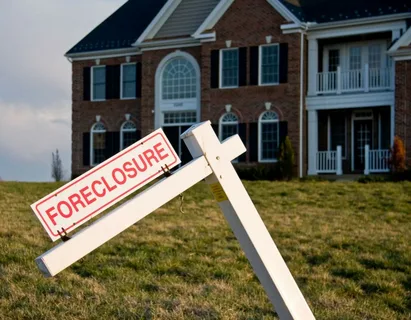
Facing the possibility of foreclosure is one of the most stressful experiences a homeowner can go through. Missed payments, letters from the lender, and the fear of losing the place you call home can keep anyone up at night. If you are a New Jersey homeowner wondering whether you can still sell house before foreclosure, the short answer is yes you generally retain the legal right to sell until the sheriff’s sale is completed.
New Jersey’s judicial foreclosure process typically moves more slowly than in many other states. That longer timeline can give you valuable breathing room, but only if you use it wisely. This guide walks through the realistic options available, what the process looks like in the Garden State, and practical steps you can take right now.
Key Takeaways
- You can usually sell your home any time before the sheriff’s sale is completed and ownership transfers.
- New Jersey’s judicial process and Fair Foreclosure Act often provide more time than non-judicial states.
- Selling before a completed foreclosure generally causes far less credit damage than letting the process finish.
- Cash buyers, short sales, loan modifications, and deed-in-lieu are all potential paths depending on equity, timeline, and lender cooperation.
- Free HUD-approved housing counseling and New Jersey mediation resources are available and should be contacted early.
Understanding Foreclosure in New Jersey
New Jersey requires lenders to go through the court system. Federal rules generally prevent a servicer from starting foreclosure until the loan is more than 120 days delinquent. On top of that, New Jersey’s Fair Foreclosure Act requires a written Notice of Intention to Foreclose that gives at least 30 days to cure the default before a complaint can be filed.
Once the complaint is filed, the process continues through the courts. Uncontested cases still commonly take many months; contested cases or those involving mediation can stretch longer. After final judgment, the county sheriff is directed to sell the property at public auction. Homeowners may request limited adjournments of the sale date in many situations.
Because the timeline is longer than in many non-judicial states, New Jersey homeowners often have a wider window in which a private sale can still close and stop the process.
Why Selling Before Foreclosure Matters
A completed foreclosure typically remains on a credit report for seven years and can drop a score significantly. A sale completed before the auction whether traditional, short sale, or cash usually avoids that foreclosure entry. Even when the sale is reported as a short sale or settlement, the long-term credit impact is generally milder.
Selling also lets you control the exit rather than waiting for an auction. Any remaining equity after paying the mortgage, liens, and closing costs can come to you. If the property is underwater, a short sale may still be preferable to a completed foreclosure for many borrowers.
Your Main Options to Sell House Before Foreclosure
Here are the primary paths New Jersey homeowners typically consider.
Traditional or accelerated private sale
If the home has enough equity to cover the full payoff (including arrears, fees, and costs), you can list with an agent or sell privately. The sale proceeds pay off the mortgage at closing and the foreclosure is discontinued. Timing is critical financed buyers often need 30–60 days or more.
Cash sale to an investor or home buyer
Cash buyers can often close in 7–21 days with no financing contingency, no required repairs, and flexible closing dates. This speed is especially useful when a sheriff’s sale date is approaching or the property needs work. Many New Jersey homeowners use this route precisely because it can fit inside tighter windows.
Short sale
When the home is worth less than the total amount owed, the lender may approve a short sale and accept less than the full balance. The process requires lender approval, hardship documentation, and more time often 60–120 days or longer. It is usually slower than a cash sale but can still prevent a foreclosure entry.
Deed-in-lieu of foreclosure
You voluntarily transfer the deed to the lender in exchange for release from the mortgage obligation. It is often considered after other options are exhausted and still requires lender agreement.
Loan modification, forbearance, or repayment plan
These are home-retention options. If keeping the house is realistic and sustainable, contact your servicer and a HUD-approved counselor immediately. They are not “selling” options but can stop or pause the foreclosure process while you explore next steps.
Comparison of Selling Options for NJ Homeowners
| Option | Typical Timeline to Close | Lender Approval Needed? | Best When | Credit Impact Relative to Completed Foreclosure |
| Cash buyer sale | 7–21 days | Usually no (if payoff covered) | Time is short, repairs needed, certainty wanted | Generally much milder |
| Traditional/accelerated listing | 30–90+ days | No (if full payoff) | Equity exists, more time available | Mild if closed before auction |
| Short sale | 60–120+ days | Yes | Home is underwater | Milder than foreclosure |
| Deed-in-lieu | 30–90 days (negotiated) | Yes | Other sale options not feasible | Milder than foreclosure |
Practical Steps to Take This Week
- Request a current payoff statement from your servicer that includes arrears, fees, and interest.
- Contact a HUD-approved housing counselor. Free counseling is available and can help you understand every option and communicate with the lender. Call 800-569-4287 or visit the HUD resource page.
- Gather recent income, expense, and hardship information so you are ready if a short sale or modification application is needed.
- Get a realistic sense of your home’s current market value and condition.
- If a sheriff’s sale date is already set, ask about possible adjournments and confirm exact deadlines in writing.
For homeowners who need speed and certainty, many turn to local cash buyers who specialize in foreclosure situations. Companies that buy houses as-is and can close quickly often coordinate directly with the lender and title company to make sure the payoff happens before the auction.
Realistic Case Examples (Anonymized)
Case Study 1 – Northern New Jersey suburban home
A homeowner fell behind after a prolonged medical leave. The Notice of Intention had already been sent and a complaint was pending. Equity was modest but positive. Rather than list traditionally (which would have taken longer than the available runway), the homeowner accepted a cash offer. The buyer handled the payoff coordination; the sale closed in under three weeks and the foreclosure action was discontinued. The homeowner preserved more credit flexibility for the future and avoided the stress of an approaching sheriff’s sale.
Case Study 2 – Central New Jersey property needing repairs
After job loss, a family was several months behind and the home had deferred maintenance. A traditional listing would have required repairs and showings the family could not manage. They explored a short sale but the timeline felt too uncertain. A local cash buyer evaluated the property as-is, made an offer that covered the majority of the balance, and closed on a date that allowed the family to relocate without the foreclosure completing. The difference between a short sale timeline and a cash close proved decisive.
These situations are common. Outcomes always depend on the specific numbers, lender policies, and how early action is taken.
How Cash Buyers Fit Into the NJ Process
Because New Jersey timelines are longer than in many states, cash buyers can still operate effectively even after a complaint is filed, provided enough time remains to clear title and close before the sheriff’s sale. Reputable buyers will:
- Request the current payoff
- Review title for additional liens
- Coordinate with the servicer
- Close on a flexible schedule you choose
- Buy the property in its current condition
This approach removes the need for repairs, open houses, or buyer financing contingencies factors that often derail traditional sales under time pressure.
If you are exploring a rapid cash solution in the Clifton area or surrounding New Jersey communities, you can learn more about the process on the company’s foreclosure solutions page or request a no-obligation discussion.
Internal Linking Placement Notes (for verification)
- Link 1 under “Your Main Options…” section → Rapid Cash Offers service page
- Link 2 under “How Cash Buyers Fit Into the NJ Process” → Foreclosure Solutions service page
- Link 3 under later practical guidance → As-Is Purchases service page
(Each under a distinct H2 with intervening content.)
Government Resource
Official guidance from the U.S. Department of Housing and Urban Development is available here: Avoiding Foreclosure. The page explains how to contact your lender, locate free HUD-approved housing counselors, and understand loss-mitigation options. New Jersey homeowners should also check the NJ Courts foreclosure self-help resources and the state’s mediation program.
Soft Next Step
If you are weighing whether selling is the right move for your situation, gathering accurate payoff numbers and speaking with a free housing counselor are the two highest-value actions you can take this week. From there you can compare a traditional listing, a short sale, or a direct cash offer with clear eyes.
Acting early almost always preserves more options and more dignity than waiting until the final weeks before a sheriff’s sale.
FAQs
Can I still sell my house if foreclosure has already started in New Jersey?
Yes. You generally retain ownership and the right to sell until the sheriff’s sale is completed and title transfers. Closing must occur before that point.
How long does foreclosure take in New Jersey?
It varies, but New Jersey’s judicial process is among the longer ones in the country. From complaint filing to sheriff’s sale often takes many months to well over a year, longer if the case is contested or mediation is involved.
Will selling before foreclosure hurt my credit less than a completed foreclosure?
In most cases, yes. A completed foreclosure stays on credit reports for seven years and typically causes a larger score drop. A pre-foreclosure sale is usually reported differently and is less damaging long-term.
Do I need the lender’s permission to sell if I can pay off the full balance?
If sale proceeds fully satisfy the mortgage and any other liens, special short-sale approval is usually not required. The payoff happens at closing.
What if my house is worth less than I owe?
A short sale may be possible if the lender agrees to accept less than the full balance. This requires documentation of hardship and lender approval, and it takes longer than a full-payoff sale.
Can a cash buyer close fast enough to stop a sheriff’s sale?
Often yes, provided enough time remains for title work and coordination with the servicer. Many cash buyers specialize in these timelines.
Should I contact a housing counselor?
Yes. Free HUD-approved counselors can explain options, help you communicate with your servicer, and protect you from scams. Call 800-569-4287.
What is the Notice of Intention to Foreclose in New Jersey?
It is a required written notice under the Fair Foreclosure Act that gives at least 30 days to cure the default before the lender can file a foreclosure complaint.
Can I get the sheriff’s sale date postponed?
Homeowners can often request limited adjournments. Exact rules and available stays should be confirmed with the sheriff’s office and, ideally, an attorney or counselor.
Is selling to a cash buyer the same as a short sale?
Not necessarily. If the cash offer covers the full payoff, it is a regular sale. If it is less than the amount owed, it becomes a short sale requiring lender approval.