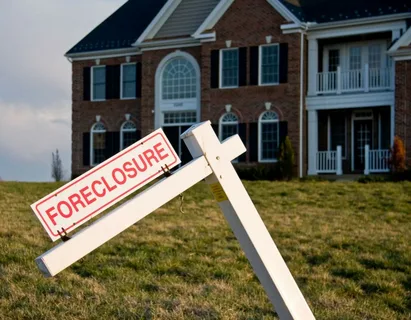
The first missed mortgage payment can feel like a private failure. It is not. Job loss, illness, divorce, rising expenses, a death in the family, or a disrupted business can push a household into a situation that once seemed impossible. The most important move is not to wait for the problem to become easier. It is to understand the choices early enough to use them.
New Jersey uses a judicial foreclosure process, which means a lender must proceed through court rather than take a home through a purely administrative process. That process can provide time, but it is not a reason to ignore notices, calls, or court papers. Homeowners who act early may be able to pursue payment relief, mediation, a loan modification, a short sale, or a plan to sell house before foreclosure.
This guide is general educational information, not legal, tax, housing-counseling, or bankruptcy advice. A qualified foreclosure-defense attorney, HUD-approved housing counselor, and tax professional can help assess the facts of an individual case.
Key Takeaways
- Open every letter from your loan servicer and respond quickly; deadlines can affect your available options.
- New Jersey homeowners may have access to no-cost pre-foreclosure mediation and, after a complaint, foreclosure mediation if eligibility rules and deadlines are met.
- Loan modification, repayment, forbearance, refinance, reinstatement, short sale, deed in lieu, bankruptcy, and a traditional or cash sale are different tools with different consequences.
- If you decide to sell, start title, payoff, pricing, and buyer-verification work early so the sale has time to close before a sheriff’s sale.
Understand the NJ Foreclosure Path
New Jersey is a judicial foreclosure state. The lender generally must follow statutory notice and court procedures before a sheriff’s sale can occur. The timing varies greatly with the facts of the loan, the court case, loss-mitigation review, and local backlog, so homeowners should not rely on a generalized promise that foreclosure always takes a certain number of months or years.
The New Jersey Judiciary notes that homeowners have 30 days after receiving a notice of intent to foreclose to pay the debt or make other arrangements with the lender; if the matter is not resolved, the lender may file a foreclosure complaint. The Judiciary also points homeowners toward free pre-foreclosure mediation and resources. New Jersey Courts foreclosure resources
Once a summons and complaint arrive, the stakes and deadlines become more formal. Do not discard the paperwork or assume a pending application automatically pauses the court process. Bring every notice to an attorney or qualified counselor promptly.
Act Before a Complaint
The best opportunity to Avoid Foreclosure often begins before a court case is filed. Contact the servicer using the number on your mortgage statement, explain the hardship, and ask which loss-mitigation options are available. Keep a log with dates, names, reference numbers, documents requested, and every item submitted.
The New Jersey Judiciary and New Jersey Housing and Mortgage Finance Agency identify free pre-foreclosure mediation for eligible residential homeowners who are in default or at risk of being unable to pay. The program helps borrowers and lenders discuss alternatives such as refinance, loan restructuring, and repayment plans. [web:107]
Before you submit documents, make copies of pay stubs, benefit letters, bank statements, tax returns, hardship letters, mortgage statements, insurance information, and any divorce, probate, or business records affecting income. Incomplete applications are a common source of delay, so ask the servicer for a written list of required items and proof that the package was received.
Compare Your Main Options
| Option | When it may help | Key question to resolve |
| Reinstatement | You can pay the overdue amount and applicable costs in a lump sum | What amount is required, and by what date? |
| Repayment plan | Income has recovered and you can pay current installments plus part of the arrears | Is the higher temporary payment realistic? |
| Forbearance | The hardship is temporary and a servicer agrees to pause or reduce payments | How and when will deferred amounts be repaid? |
| Loan modification | The existing payment is not sustainable but a revised loan may be affordable | What are the trial and permanent-modification terms? |
| Refinance | You have sufficient equity, income, credit, and time to qualify | Can you realistically close before foreclosure advances? |
| Traditional sale | The home has equity and can be marketed to retail buyers | Will listing, financing, and closing fit the deadline? |
| Cash sale | The home needs work, the timeline is tight, or showings are impractical | Are buyer funds, contract terms, and net proceeds verified? |
| Short sale | You owe more than a sale is expected to bring | Will the lender approve, and does approval address any deficiency? |
| Deed in lieu | A negotiated exit may be preferable to continued foreclosure | Will the lender accept it and confirm the treatment of any remaining debt? |
| Bankruptcy | You need advice about debt, collection activity, and legal protections | What are the legal consequences in your specific circumstances? |
Use Foreclosure Mediation
Mediation is not a guarantee that a loan will be modified, but it can create a structured setting for the homeowner and servicer to discuss a workable alternative. The New Jersey Housing and Mortgage Finance Agency states that mediation generally must be requested within 60 days after service of the foreclosure summons and complaint, unless a court order directs mediation. [New Jersey HMFA foreclosure prevention resources](https://www.nj.gov/dca/hmfa/homeowners/foreclosure-prevention/)
The New Jersey Courts’ mediation materials state that owner-occupants of eligible one- to four-family primary residences can request foreclosure mediation after receiving a complaint and summons, subject to the program’s eligibility requirements. The homeowner must work with a trained foreclosure-prevention and default-mitigation counselor. [web:103]
Request help quickly. A housing counselor can help organize the financial package, explain the mediation process, and identify documents the servicer is likely to request. An attorney can advise on court filings, defenses, bankruptcy questions, and the legal implications of any proposed agreement.
Selling Before Foreclosure
For an owner with equity, selling may be a practical way to pay off the mortgage, cover closing costs, and retain any remaining proceeds. If you want to sell house before foreclosure, do not wait for the property to look perfect. First establish the estimated payoff, current market value, repair condition, liens, ownership status, and realistic closing deadline.
A traditional listing may make sense when the house is financeable, presentable, and likely to attract retail buyers. A direct cash buyer may fit better when repairs, vacancy, damage, tenant issues, or a compressed timeline make a mortgage-backed buyer less practical. Either route requires a clear title, an attorney-reviewed contract, and a closing date that can actually be met.
If the expected sale price will not pay the entire mortgage and closing costs, the transaction is likely a short sale and requires lender approval. The New Jersey Legislature defines a short sale as a real-estate sale in which the lender or servicer agrees to release the mortgage lien upon receiving less than is owed.
A short-sale approval should be reviewed closely. It should state whether the lender releases the lien, what conditions apply, and whether any remaining debt is waived or reserved. Do not assume that approval to sell necessarily resolves every debt issue.
Traditional Sale vs. Cash Sale
| Factor | Traditional listing | Direct cash sale |
| Potential buyer pool | Broad exposure to owner-occupants and investors | Usually a direct buyer or smaller group of buyers |
| Preparation | Often benefits from cleaning, repairs, staging, and photos | May be purchased in current condition, subject to contract |
| Financing risk | Mortgage, appraisal, and underwriting can delay or end the deal | May reduce lender-related buyer delays if funds are verified |
| Pricing | Can seek competitive market exposure | Often reflects condition, holding costs, repair risk, and resale margin |
| Seller effort | Showings, inspections, negotiation, and preparation may be required | Usually fewer showings and a more direct process |
| Critical protections | Buyer preapproval, contingencies, attorney review, title work | Proof of funds, deposit, contingency limits, assignment review, attorney review |
Case Study: Income Disruption
Consider an anonymized homeowner whose work hours were reduced after several years of stable mortgage payments. At first, the homeowner ignored lender calls because the arrears felt impossible to solve all at once. After receiving a notice, the homeowner contacted a certified counselor, organized income and expense records, and submitted a complete loss-mitigation package.
The homeowner’s income later stabilized enough for a repayment arrangement to be evaluated. The most useful part of the process was not a magic solution; it was early documentation, communication, and a realistic monthly budget. The lesson is that lenders and counselors cannot evaluate options when the homeowner has disappeared from the conversation.
Case Study: Selling an As-Is Home
In another anonymized situation, an owner had fallen behind while caring for a family member and owned a house needing extensive repairs. A retail listing might have produced a higher price after preparation, but the seller did not have the funds or time to complete the work. The owner collected a mortgage payoff, opened title work, requested a market opinion, and obtained written direct-sale terms from more than one potential buyer.
The seller chose a contract only after a New Jersey attorney reviewed the inspection timeline, deposit, buyer identity, proof of funds, assignment language, and closing expenses. The property sale was not a substitute for legal advice, but it gave the owner a structured route to resolve the mortgage before the matter advanced further. The lesson: a quick sale can be a valid strategy when it is documented and feasible, not merely urgent.
Avoid Scams and Pressure
- Do not pay an up-front fee to a company that promises a guaranteed mortgage modification or foreclosure rescue.
- Do not sign a deed, power of attorney, leaseback, or purchase contract without understanding it and obtaining legal advice.
- Do not stop speaking with your servicer merely because a third party claims to be negotiating for you.
- Do not send mortgage payments to a third party unless your servicer has confirmed the arrangement in writing.
- Do not assume every “cash offer” is funded. Ask for proof of funds, the buyer’s legal entity, and a full written contract.
- Do not rely on email-only wire instructions. Call a known title-company number to verify them independently.
Your Immediate Action Plan
- Open and organize every mortgage, court, and foreclosure notice.2. Call the servicer, ask for loss-mitigation options, and document the conversation.
3. Contact a HUD-approved counselor, a New Jersey foreclosure-defense attorney, or both.
4. Build a complete financial packet and submit it using a traceable method.
5. If you receive a summons and complaint, assess foreclosure mediation immediately; the usual request deadline is 60 days after service.
6. Obtain a mortgage payoff and realistic estimate of property value.
7. If selling is appropriate, compare a traditional listing, as-is listing, and verified direct cash offer by net proceeds, timing, and legal protections.
8. Do not sign a sale or deed-related document until it has been reviewed by a qualified New Jersey attorney.
If selling the property may be the best route, a direct buyer can provide a written offer for comparison. Bring the offer to your attorney or counselor, confirm the timeline, and decide based on the complete financial picture—not the pressure of a headline promise.
Final Thoughts
To Avoid Foreclosure in New Jersey, act before the next deadline rather than waiting for the situation to improve on its own. Some homeowners can catch up, negotiate payment relief, or modify the loan. Others may decide that a refinance, short sale, deed in lieu, bankruptcy consultation, or a sale is more realistic.
Selling a house before foreclosure can preserve control when there is enough time and equity, but it should be treated as a professional closing process: verify payoff figures, determine value, check title, review the contract, and seek legal and tax advice. A clear plan, taken early, usually creates more choices than a rushed decision made near a sheriff’s sale.
FAQs
How can I avoid foreclosure in New Jersey?
Potential options may include reinstatement, repayment plan, forbearance, loan modification, refinance, mediation, selling the home, a short sale, deed in lieu, or bankruptcy advice. The best option depends on your loan, income, equity, and deadlines.
Is New Jersey a judicial foreclosure state?
Yes. New Jersey foreclosures generally proceed through the court system, which means homeowners may receive notices and court papers that require prompt attention.
How long do I have to request foreclosure mediation in NJ?
New Jersey resources generally state that homeowners should request foreclosure mediation within 60 days after service of a foreclosure summons and complaint. Later participation may require a motion and court order.
Can I sell my house before foreclosure in NJ?
In many circumstances, yes, provided there is time to obtain payoff figures, clear title, market or contract for the property, and close before the sheriff’s sale. Consult an attorney about the status of your case.
What is a short sale?
A short sale is a sale in which the lender agrees to release its mortgage lien for less than the amount owed. Lender approval is required, and the approval terms should be reviewed for any remaining debt obligations.
Will a loan modification stop foreclosure?
A completed and approved modification may provide a path to resolve default, but homeowners should continue monitoring court notices and work with their servicer, counselor, and attorney while an application is pending.
Can I sell as-is before foreclosure?
Yes, an as-is sale may be possible. The seller still needs proper contract terms, title work, disclosures as applicable, lender payoff handling, and attorney review.
How do I know if a cash buyer is legitimate?
Request the legal entity name, proof of funds, earnest-money terms, inspection period, assignment language, closing date, and complete cost breakdown. Have an attorney review the contract.
What should I do after receiving a foreclosure summons?
Do not ignore it. Contact a New Jersey foreclosure-defense attorney or qualified housing counselor promptly, review mediation eligibility, and preserve all documents from the servicer and court.
Can a lender still seek money after a short sale?
That depends on the loan documents, New Jersey law, and the lender’s written approval. Ask an attorney to review whether the approval expressly addresses any deficiency or remaining obligation.