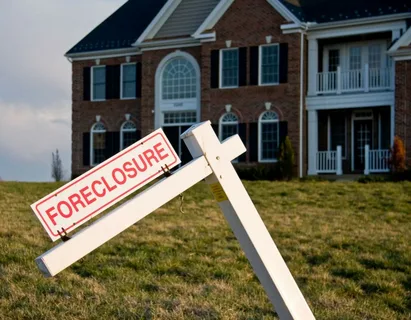
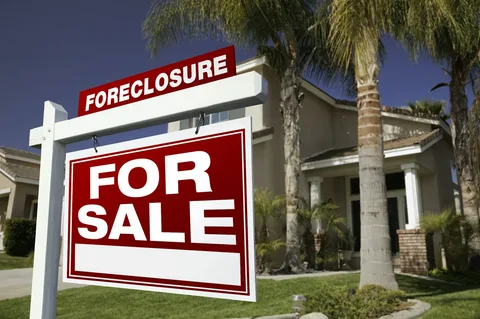
A foreclosure notice can make a homeowner feel like the ending has already been written. It has not. In many cases, there is still time to act, protect credit as much as possible, and choose a sale path before the lender takes the property. That window may be short, but it is often real. Current market data shows why this topic matters right now: ATTOM reported 118,727 U.S. properties with a foreclosure filing in Q1 2026, up 26% year over year.
That rising pressure is exactly why homeowners need clear guidance instead of generic reassurance. The strongest advice from the supplied source material is simple and practical: get legal help quickly, understand the timeline, work with the right real estate professional, make the property easier to sell, market it well, and stay in contact with the lender throughout the process.
This article breaks the process down into five essential tips that match what real homeowners need when time is tight. It also explains the difference between a standard sale, a cash sale, and a short sale, because those choices are not interchangeable. The best move depends on the deadline, the home’s condition, the equity position, and the lender’s flexibility. Guidance from HUD, the Consumer Financial Protection Bureau, Fannie Mae, and Freddie Mac all points to the same conclusion: early action gives homeowners more options.
Key Takeaways
- A homeowner can often still sell house before foreclosure if the sale closes before the foreclosure sale date.
- The first priorities are legal clarity, payoff clarity, and timeline clarity.
- A fast sale can mean a traditional listing, an as-is cash sale, or a lender-approved short sale depending on the numbers.
- Waiting too long is usually the costliest mistake.
What Does It Mean To Sell House Before Foreclosure?
It means selling the property while the homeowner still owns it and before the foreclosure process reaches the final sale or auction. In plain terms, the goal is to use the sale proceeds to pay off the mortgage or, if the home is underwater, to work with the lender on a short sale. Fannie Mae lists selling the home and short sale as recognized ways to avoid foreclosure, while Freddie Mac explains that homeowners with equity may be able to use a sale to pay off debt and move on with a cleaner financial reset.
This point matters because many homeowners assume that once notices start arriving, the house can no longer be sold. That is often wrong. A property can usually still be sold during pre-foreclosure and, in many cases, after formal foreclosure proceedings begin, as long as the foreclosure sale has not happened yet. The exact timing depends on state law and the status of the loan, which is why legal advice should come first, not last.
Benjamin Franklin’s line still fits this situation perfectly: “An ounce of prevention is worth a pound of cure.” The quote has been widely attributed to Franklin since the 18th century, and it captures the practical truth here. Acting early usually creates better outcomes than trying to fix everything at the edge of the deadline.
Tip 1: Get Legal And Timeline Clarity Immediately
The first move should not be cosmetic. It should be legal and financial. A homeowner needs to know exactly where the mortgage stands, whether a sale date has been scheduled, what the reinstatement amount is, what the payoff amount is, and whether there are other liens or title issues that could complicate closing. The source material emphasizes contacting a real estate lawyer as soon as the foreclosure notice arrives and understanding how much time is actually left.
That advice lines up with federal guidance. CFPB says the legal foreclosure process generally cannot begin until a borrower is at least 120 days behind on the mortgage, and after that the time from foreclosure start to actual sale varies by state. HUD also advises homeowners to contact a HUD-approved housing counselor quickly instead of avoiding the problem.
This is where many homeowners lose valuable time. They know they are behind, but they do not know the exact numbers or the actual deadline. In a distressed sale, guessing is expensive. A homeowner who has the timeline in writing can make decisions based on facts instead of fear.
Tip 2: Know The Numbers Before Choosing The Sale Path
A homeowner does not need just a rough guess at value. A homeowner needs the net picture. That means current market value, mortgage payoff, late fees, unpaid taxes, HOA balances if any, liens, and selling costs. Freddie Mac explains that selling with equity can help avoid foreclosure because the proceeds may pay off the remaining mortgage debt and leave excess funds for the owner if the home is worth more than what is owed.
This is also the moment when the three main exit paths become clearer:
- Traditional listing if there is enough time and enough value.
- As-is cash sale if speed, simplicity, and certainty matter most.
- Short sale if the home is worth less than the debt and lender approval is needed.
A lot of distressed sellers focus only on the headline offer. That is the wrong number. The better question is what is left after mortgage payoff, closing costs, repairs, carrying costs, and time risk. A lower offer with a faster close can outperform a higher offer that never reaches the finish line.
Tip 3: Choose The Right Professional Help, Not The Loudest Promise
The source material makes a strong point here: a seller under foreclosure pressure should work with a real estate agent who understands distressed sales and urgency, not just someone who lists homes in general. It also notes that fees can sometimes be negotiable, which can matter when every dollar counts.
That does not mean every homeowner needs the same kind of help. Some need a local agent with experience pricing homes for fast movement. Some need a real estate attorney first because title or legal notices are already in play. Some need a HUD-certified housing counselor to understand foreclosure prevention options and communicate with the servicer. Fannie Mae’s glossary specifically describes a HUD-approved housing counselor as a trained professional who can guide homeowners on foreclosure avoidance and related issues.
This is also where foreclosure solutions should be viewed with a clear eye. The right solution is the one that fits the timeline and numbers, not the one with the flashiest marketing. If the house needs repairs, the owner wants privacy, and the deadline is close, an as-is buyer may be a better fit than a traditional listing. If the property is market-ready and the equity is healthy, listing on the open market may bring a better outcome. If the debt is higher than the likely sale price, a short sale deserves serious attention.
Tip 4: Make The Home Easy To Buy Fast
This is one of the most useful ideas in the source material because it is practical and often ignored. The advice is not to turn the house into a showroom. The advice is to remove friction. Declutter aggressively. Clean thoroughly. Improve curb appeal. Use strong photos. Market assertively. A clean, airy house usually sells faster than a cluttered one because buyers can picture themselves in it more easily.
That insight still matters even if the owner plans to sell house before foreclosure to a cash buyer. Clean presentation does not only help retail buyers. It also helps with inspections, walkthroughs, photos, and perceived risk. Small changes can make a stressed sale feel more manageable:
- Remove excess furniture
- Clear counters and floors
- Improve lighting
- Freshen the entry
- Handle easy cosmetic fixes first
The biggest mistake here is spending heavily on renovations that will not pay back in time. A distressed seller does not need a six-week makeover. A distressed seller needs a faster yes.
Tip 5: Keep The Lender Informed And Document Progress
One of the smartest points in the supplied material is the advice to keep lenders updated during the selling process. That may feel uncomfortable, but it is often helpful. The seller who can show listing activity, offers, attorney involvement, and a clear closing plan looks more serious than the seller who goes silent.
HUD, CFPB, and Fannie Mae all stress early communication with the servicer because loss-mitigation and foreclosure-avoidance options often depend on timely contact and documentation. A short sale, for example, is not just a cheap sale. CFPB defines it as a sale for less than the mortgage balance that requires lender agreement. Fannie Mae also notes that a short sale may require a financial contribution and a deficiency waiver review, which means sellers should not assume every balance disappears automatically.
The practical rule is simple: document everything. Keep copies of payoff requests, hardship letters, listing agreements, offer summaries, emails, and notes from every call.
Which Sale Path Makes The Most Sense?
The table below helps compare the most common routes.
| Sale Path | Best When | Main Advantage | Main Risk |
| Traditional listing | The home shows well, there is enough time, and there is likely equity | Better chance at top market value | May take too long if the price or condition is off |
| As-is cash sale | The deadline is tight, repairs are needed, or the seller wants simplicity | Faster closing with fewer contingencies | Offer may be lower than full retail |
| Short sale | The debt is higher than the home’s likely sale value | Can help avoid foreclosure when equity is gone | Needs lender approval and careful review of deficiency terms |
| Deed-in-lieu | A sale is not realistic and other options failed | May resolve the mortgage without a full foreclosure sale | Not every borrower qualifies |
These options are all recognized in foreclosure guidance from Fannie Mae, Freddie Mac, CFPB, and HUD. The right choice depends on speed, equity, condition, and legal timing.
What Most Homeowners Get Wrong
The most common mistake is waiting for certainty in a situation that only gets tighter with time. Homeowners often delay because they hope income will rebound, the lender will wait, or a perfect buyer will appear. That delay can shrink their choices.
The second mistake is confusing price with outcome. A bigger offer is not always the better offer if it needs repairs, financing, extended inspection time, or repeated delays. In pre-foreclosure, certainty has real value.
The third mistake is assuming every “solution” is equal. It is not. A short sale, a standard sale, and an as-is purchase solve different problems. That is why experienced guidance matters.
A Realistic Decision Framework
When a homeowner is under pressure, this simple framework works well:
First, Check The Clock.
Confirm the legal timeline, sale date status, and payoff numbers.
Second, Check The Equity.
Find out whether the home can cover what is owed after costs.
Third, Match The Path To The Deadline.
Use a listing if time and condition support it. Use an as-is sale if speed matters more. Use a short sale if the house is underwater.
That framework is simple, but it is effective because it keeps the homeowner focused on what actually moves the deal forward.
Conclusion
A foreclosure notice is serious, but it is not always the end of the story. In many cases, a homeowner can still sell house before foreclosure if the timeline is understood early, the numbers are reviewed honestly, and the right sale path is chosen without delay. Official guidance from HUD, CFPB, Fannie Mae, and Freddie Mac all supports the same basic lesson: early action creates more room to solve the problem.
The five essentials are straightforward: get legal clarity, know the numbers, choose the right professionals, make the home easy to buy, and keep the lender updated. Those steps will not remove the stress, but they can turn chaos into a plan.
For homeowners in New Jersey who want a faster, simpler path, Ds Realty Group Home Buyers says it offers rapid cash offers, as-is purchases, and foreclosure-focused help, and its site lists 347-790-2224 and [email protected] as direct contact options.
FAQ
Q1) How to sell house to avoid foreclosure?
Start by confirming the sale timeline, payoff amount, and equity position, then choose the sale path that fits the deadline: traditional listing, as-is cash sale, or short sale if the lender must approve less than the balance owed.
Q2) Can I sell my house if it’s in foreclosure?
Often, yes. A homeowner can usually sell before the foreclosure sale happens, but the exact timing depends on the state process and the status of the loan.
Q3) What are the steps to sell a home before foreclosure?
The core steps are to get legal clarity, request payoff figures, review equity, choose the sale route, prepare the home for sale, and keep the lender updated.
Q4) How much time do I have to sell my house before foreclosure?
Federal rules generally prevent the legal foreclosure process from starting until the borrower is at least 120 days delinquent, but the time from foreclosure start to sale varies by state.
Q5) What happens if I sell my house in pre-foreclosure?
If the sale covers the debt and costs, the mortgage can be paid off and foreclosure can be avoided. If the sale price falls short, the seller may need a lender-approved short sale.
Q6) Are cash buyers better than foreclosure sale real estate experts?
Not automatically. Cash buyers are often better for speed and simplicity, while foreclosure-experienced agents may be better when the home can still perform well on the open market.
Q7) What should homeowners look for in trusted agents to sell house before foreclosure?
They should look for distressed-sale experience, realistic pricing, fast communication, lender coordination, and a clear explanation of fees, timing, and risk.
Q8) Can a short sale still help if the home is worth less than the mortgage?
Yes. CFPB and Fannie Mae both describe short sale as a foreclosure-avoidance option when the lender agrees to accept less than the amount owed.