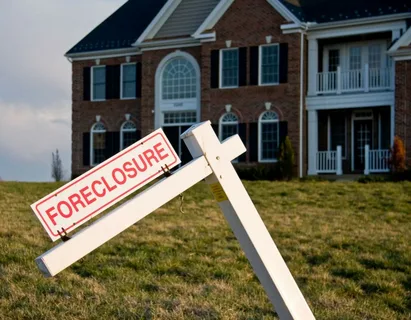

A homeowner stares at peeling paint, an aging roof, and a kitchen stuck in another decade. The mailbox is full of offers, the repair list keeps growing, and the idea of listing the house feels like signing up for a second job. In that moment, the appeal of a fast, off-market exit becomes very real.
That is where real estate wholesaling enters the picture. At its core, it is a short-term real estate strategy in which a wholesaler gets a property under contract, then assigns that contract to an investor for a fee instead of buying and renovating the home personally. It is built on speed, negotiation, and finding the right buyer quickly.
For a seller, the real question is not whether wholesaling sounds clever. The real question is whether it solves the actual problem. A homeowner who values top-dollar pricing may prefer a traditional listing. A homeowner who values speed, privacy, or relief from repairs may see wholesaling very differently. That trade-off is what matters most.
Key Takeaways
- Real estate wholesaling can help a seller move a problem property quickly without repairs.
- The main trade-off is convenience versus maximum sale price.
- A good wholesale deal depends on clear paperwork, fair expectations, and a real end buyer.
- Sellers should understand assignment language before signing anything.
What Is Real Estate Wholesaling In Simple Terms?
Real Estate Wholesaling is a process where a middleman secures the right to buy a home, then passes that contract to an investor for a profit. The home seller gets a faster path to closing, while the investor gets a potential deal to renovate, rent, or resell.
That simple definition hides an important detail. The wholesaler usually profits from the spread between the original contract price and the assigned price. In many deals, the seller is not hiring a wholesaler in the way someone hires a contractor. The seller is agreeing to a contract that may later be assigned to a cash buyer. That is why clarity matters so much.
Why Would A Home Seller Choose Wholesaling Instead Of Listing?
A traditional listing often offers wider exposure and a better shot at the highest possible price. It also usually asks more from the seller. Repairs, cleaning, photos, open houses, inspections, negotiations, and time all come with the territory. In the National Association of REALTORS® 2024 Profile of Home Buyers and Sellers, recently sold homes spent a median of three weeks on the market. For many homeowners, that is reasonable. For others, it feels far too long.
Wholesaling tends to appeal in situations like these:
- The house needs more work than the owner wants to take on.
- The seller wants to avoid public showings and repeated buyer walk-throughs.
- The property is inherited, tenant-occupied, outdated, or simply stressful to manage.
- The seller wants a quicker, more private path than the open market usually provides.
This is why Seamless Wholesaling can sound attractive to owners of distressed properties. It is not magic. It is a convenience model. The value comes from reducing friction, not from squeezing the very last dollar out of the property.
How Does The Wholesaling Process Actually Work?
Most explanations stop at “find a seller, find a buyer.” That is technically true, but it is not very helpful. For a homeowner, the process makes more sense when broken into practical steps.
A Clear Five-Step View
- The wholesaler identifies a motivated seller
This often means a property owner dealing with repairs, an inherited house, or a home they simply want to move quickly. - The seller and wholesaler sign a purchase agreement
This agreement should clearly spell out price, timelines, contingencies, and whether the contract can be assigned. - The wholesaler markets the contract to cash buyers or investors
Those buyers may be interested in property flipping, holding the home as a rental, or adding it to a portfolio of investment properties. - A contract assignment happens
Instead of closing personally, the wholesaler transfers contractual rights to the end buyer for an assignment fee. - The transaction closes
The seller gets paid under the agreed terms, the investor takes over, and the wholesaler collects the fee.
That is the clean version. The messy version happens when a seller signs before understanding who the actual buyer is, how earnest money works, or what happens if the wholesaler cannot line up a cash buyer in time. Local rules also matter, so sellers should read the contract carefully and get legal or title guidance when the assignment language feels murky.
The Seller’s Decision Framework: Speed, Certainty, Or Top Dollar?
The easiest way to judge wholesaling is to stop asking whether it is “good” or “bad” in the abstract. A better question is this: What matters most in this sale?
As Warren Buffett once wrote, quoting Ben Graham, “Price is what you pay; value is what you get.” That idea fits here. For some sellers, value means maximum exposure and a full retail sale. For others, value means getting out fast without repairing a thing.
Here is a practical way to think about it.
| Seller situation | Why wholesaling may help | What to double-check | Better fit if this matters most |
| House needs major repairs | Avoids fixing the property before sale | Assignment rights, closing timeline, earnest money | Traditional listing if repairs are manageable |
| Inherited property | Reduces cleanup, coordination, and holding stress | Who the final buyer is, closing costs, title issues | Listing if heirs want maximum market exposure |
| Urgent timeline | Can move faster than a staged retail sale | Proof of funds, inspection period, fallback plan | Cash investor or agent-led quick sale |
| Privacy concerns | Keeps the sale more off-market | Buyer certainty and contract language | Pocket strategy with a trusted agent |
| Seller wants highest price | Usually not the best route | Net proceeds after all deductions | Full market listing |
A seller who wants certainty more than applause may accept a lower number. A seller who wants every possible buyer to compete usually should not wholesale. That is the honest dividing line.
What Most People Get Wrong About Real Estate Wholesaling
The biggest misunderstanding is that wholesaling always means a bad deal for the seller. That is too simplistic.
A weak wholesale offer can absolutely undervalue a house. But a clean, fair offer can still make sense when the seller is dealing with time pressure, deferred maintenance, or a property that would struggle in a traditional retail presentation. The right comparison is not always “wholesale price versus dream price.” Often, the real comparison is “wholesale price versus months of cleanup, carrying costs, uncertainty, and stress.”
Another common mistake is confusing wholesaling with flipping. In a flip, the investor buys, renovates, and resells. In wholesaling, the wholesaler usually does not renovate or take title. That difference matters because it changes the timeline, the risk, and the kind of offer a seller receives.
A third mistake is assuming every “cash offer” works the same way. Some are direct purchases. Some involve a wholesale real estate contract. Some involve a broad investor network and lead generation process behind the scenes. Sellers should ask which model is being used, not just how fast the closing might be.
Do This, Not That
Do this: Ask whether the contract is assignable.
Not that: Assume the person making the offer is definitely the final buyer.
Do this: Ask for proof of funds and earnest money details.
Not that: Focus only on the headline purchase number.
Do this: Ask who pays closing costs, and when funds are released.
Not that: Sign based on verbal promises.
Do this: Read contingencies carefully.
Not that: Treat “as-is” language as a substitute for understanding the full agreement.
A Familiar Seller Scenario
Picture a family that inherits a dated house in New Jersey. One sibling lives nearby. The other lives several states away. The home has old flooring, a leaking pipe, and years of deferred maintenance. Contractors give different bids. The lawn is overgrown. Everyone is tired before the process even starts.
In that situation, a wholesale-style transaction can feel less like a trick and more like a relief valve. The heirs may accept less than a polished retail sale might bring, but they also skip repairs, repeated showings, public listing pressure, and a long back-and-forth with retail buyers. That is the real benefit. Not fantasy profits. Not flashy jargon. Just a faster exit from a property problem.
That is also why experienced investors and educators often stress networking, negotiation, and property valuation. Communities such as REIA, BiggerPockets, and REIN, along with educators like Than Merrill, Jamil Damji, and Dean Graziosi, tend to frame wholesaling as a relationship business first. Chris Voss’s negotiation mindset also fits neatly here because clear communication often makes or breaks the deal. A seller does not need to join those circles, but it helps to understand that the strongest wholesalers usually operate with real buyer networks, not wishful thinking.
When Wholesaling Can Benefit A Home Seller Most
Real estate wholesaling tends to benefit sellers most when the property or timing is awkward.
That includes homes with cosmetic damage, inherited properties, landlord fatigue, looming expenses, or owners who simply do not want their life turned into a listing campaign. It can also help sellers who value privacy and want off-market deals rather than public attention. In those situations, a clean exit has real value.
Still, honesty matters here. A wholesale offer is often lower than what a well-prepared home might command on the open market. That is not necessarily unfair. It is the price of speed, convenience, and risk transfer. The investor or cash buyer is taking on the repair burden, resale risk, and carrying costs that the seller no longer wants.
For homeowners, the smartest approach is simple. Compare the likely wholesale net with the likely traditional net, then weigh the time, labor, uncertainty, and hassle attached to each path. The better option is the one that fits the seller’s reality, not the one that sounds best in a headline.
Conclusion
Real Estate Wholesaling is not a silver bullet, and it is not a scam by default. It is a tool. For the right seller, it can create a fast, practical exit from a property that feels more like a burden than an asset. For the wrong seller, it can leave money on the table.
The best outcome comes from clarity. Understand the contract. Understand the trade-off. Understand whether speed or price matters more in this chapter. That is where good decisions begin.
For homeowners who want to explore an as-is sale in New Jersey, the company’s website says it buys homes as-is for cash, covers closing costs, and may settle in as little as 10 days. It also lists [email protected] and 347-790-2224 for direct inquiries.
FAQs
Q1) What kinds of homes does the company buy?
Its website says it buys houses as-is and offers solutions for rapid cash sales, inherited homes, foreclosure situations, and wholesaling-related transactions in New Jersey.
Q2) How quickly can the company close?
The site states that some deals can close in as little as 10 days, depending on the property and situation.
Q3) What is real estate wholesaling and how does it work?
It is a process where a property is put under contract and that contract is assigned to an investor for a fee, rather than being renovated and resold by the wholesaler.
Q4) How can wholesaling help me sell my home quickly?
It can reduce prep work, skip many public listing steps, and connect the property to cash buyers who prefer as-is opportunities.
Q5) What are the pros and cons of selling a house through wholesaling?
The upside is speed, convenience, and fewer repair headaches. The downside is that the final price is often lower than a strong retail-market sale.
Q6) How do wholesalers make money from real estate?
They generally earn an assignment fee by finding a seller, securing a contract, and assigning that contract to an investor at a higher price.
Q7) What are the risks of wholesaling real estate for home sellers?
The biggest risks are unclear contract terms, unrealistic expectations, and a wholesaler failing to produce a serious end buyer before deadlines expire.
Q8) Should a homeowner hire a real estate wholesaler to sell a home?
A homeowner should consider it when speed, privacy, or repair avoidance matters more than squeezing out the highest possible price. If top dollar matters most, a traditional listing usually deserves a closer look.