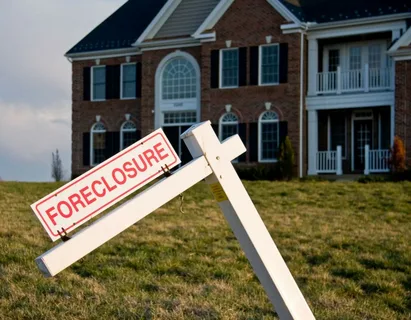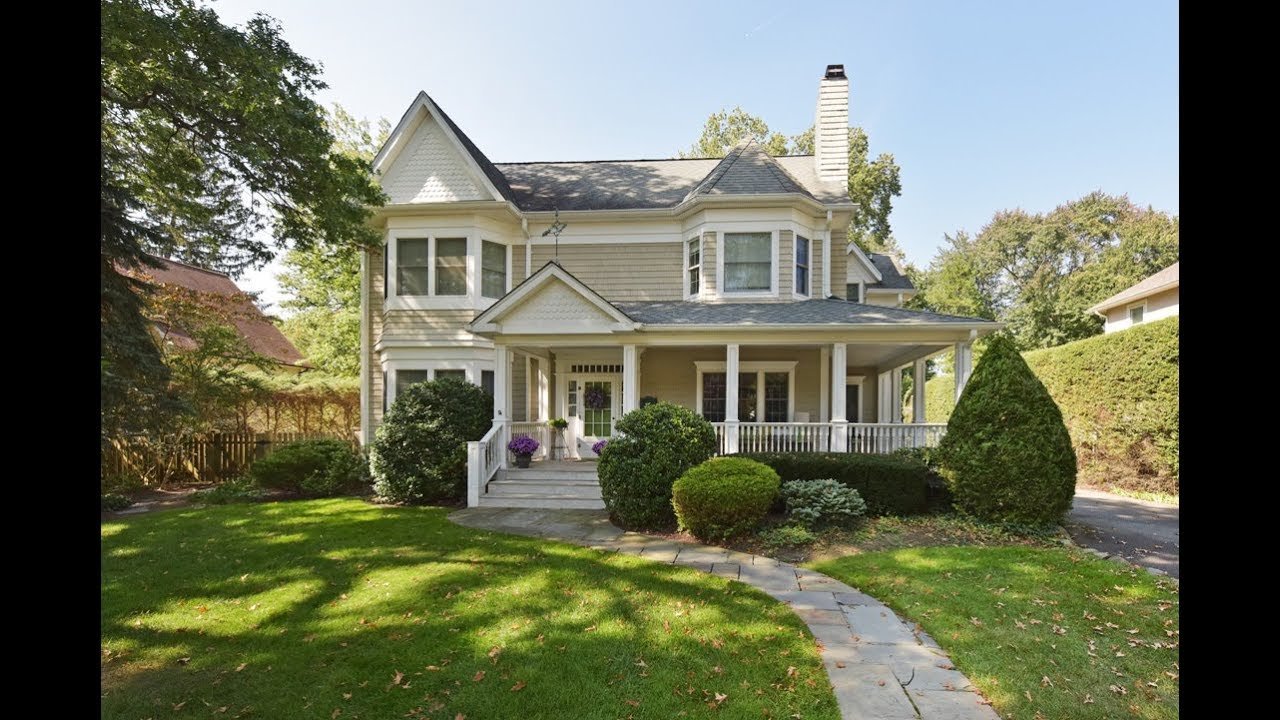

A quick home sale is rarely won by rushing the final signature. It is won earlier when a Clifton homeowner chooses the right sale method, prepares the documents title will request, and avoids surprises that can make an accepted offer fall apart. Whether you are relocating, managing an inherited house, dealing with repairs, or simply ready for a clean transition, the goal is the same: move from decision to closing with as much certainty as possible.
Clifton homeowners can pursue a traditional listing, an as-is listing, or a direct cash sale. The best route depends on the home’s condition, the target closing date, and how much preparation the seller can realistically handle. This guide explains what creates speed, what commonly causes delays, and how to protect yourself while closing a Home sale quickly.
Key Takeaways
- A clean title file, accessible property, realistic pricing, and complete paperwork can matter as much as the buyer’s offer.
- Cash buyers may shorten financing-related delays, but proof of funds and written contract terms remain essential.
- A market-ready home can sell quickly through a conventional listing if it is priced and presented for immediate demand.
- New Jersey’s attorney-review process and seller-side Realty Transfer Fee should be included in the closing plan.
Start With Your Closing Goal
Before putting up a sign or requesting an offer, define what “fast” means for your situation. Do you need a contract this week, a move-out date next month, or sale proceeds available byfix a fixed deadline? Those are different goals, and they can point to different selling methods.
Next, identify the obstacle. A home that is clean, updated, and easy to show may benefit from a short, focused listing campaign. A vacant home with major repairs, a difficult tenant situation, or a seller who cannot manage open houses may be better suited to a direct as-is offer. Clarity here prevents sellers from spending weeks on the wrong preparation plan.
Get the House Closing-Ready
The closing process starts long before the closing table. Gather the deed, mortgage account details, property-tax bill, homeowners-insurance information, utility records, survey if available, homeowners-association paperwork, lease documents, permits, and documents related to divorce, probate, or a trust. If a co-owner, estate representative, or lender needs to sign, identify that person early.
Then secure the property. Clear safety hazards, remove personal documents and valuables, maintain insurance, and make reasonable access possible for inspections or buyer visits. You do not need to renovate every room for a fast sale, but a house that is safe, accessible, and honestly presented is easier to evaluate and less likely to trigger late renegotiation.
A title company or New Jersey real estate attorney can uncover liens, unreleased mortgages, ownership discrepancies, or municipal issues that may otherwise appear after the buyer is ready. Ordering that work early is one of the most practical ways to protect a target closing date.
Choose the Fastest Sale Route
| Sale route | When it may fit | Speed advantage | Watch for |
| Direct cash sale | House needs repairs, seller needs a defined timeline, or repeated showings are impractical | Can avoid conventional loan underwriting and appraisal requirements | Verify buyer funds, inspection terms, assignments, and every fee |
| Traditional listing | Home is financeable, clean, and attractive to retail buyers | Broad exposure can create early competition | Preparation, showings, appraisals, and buyer financing can add time |
| As-is listing | Seller wants market exposure without major renovation | Reduces pre-listing repair work | Buyers can still inspect, negotiate, or use contingencies |
| Known buyer or FSBO | Seller already has a credible interested party | Potentially fewer marketing steps | Attorney review, title, price verification, and contract details still matter |
Use Pricing to Create Momentum
For a conventional listing, price is a timing decision, not merely a valuation decision. A seller seeking speed should study recent comparable sales, active competition, condition, location, and the price level where serious buyers are actually searching. Overpricing to “leave room” can reduce initial interest and force price reductions later.
In Clifton, the difference between a house that needs only cosmetic polish and one that needs a substantial repair program can change the likely buyer pool. Be candid about the property’s condition. If you are comparing a listing with a direct buyer, request a realistic market opinion, estimate the cost and time of preparation, and compare those facts with a written direct offer.
The strongest first-week plan is simple: clean presentation, easy scheduling, professional photographs when listing, and a price that matches the home as it exists today—not what it might be worth after an uncertain renovation.
Understand New Jersey Contract Timing
A fast transaction is still a legal transaction. In many broker-prepared New Jersey residential contracts, the attorney-review clause allows a three-business-day period for either side’s attorney to review and disapprove or seek changes to the agreement. The clock begins after the fully signed contract is delivered, excluding weekends and legal holidays.
That safeguard should be planned for, not treated as a failure of speed. Give your attorney the property facts, desired closing date, mortgage information, inspection expectations, and deal terms as soon as a contract is likely. Early preparation makes it easier to resolve revisions without losing momentum.
A direct cash deal is not automatically risk-free or instantly binding. The contract should clearly identify the buyer, purchase price, deposit, inspection rights, assignment rights, closing date, title responsibilities, and seller-paid costs.
Compare the Net, Not the Offer
| Question | Why Clifton sellers should ask it |
| What will I receive after all agreed costs? | A higher price can still yield less if it carries repairs, concessions, commissions, or extended holding costs. |
| Is the buyer using cash, a mortgage, or another sale? | Financing and sale contingencies can affect the likelihood and timing of closing. |
| Has the buyer supplied proof of funds or preapproval? | It helps distinguish a prepared buyer from an unverified inquiry. |
| What is the inspection period? | A broad or lengthy exit right may undermine certainty. |
| Can the contract be assigned? | Assignment language may mean the original buyer plans to transfer the contract. |
| Who pays each closing expense? | Cost allocation should be explicit before the seller compares offers. |
| What happens if the buyer does not close? | The deposit and default provisions define the seller’s protection. |
Plan for New Jersey Closing Costs
Sellers should calculate the net proceeds before committing to a price. Costs can include mortgage payoff, real estate compensation if an agent is used, attorney fees, title-related items, negotiated credits, repairs, outstanding utility or association balances, and the New Jersey Realty Transfer Fee.
The State of New Jersey imposes the Realty Transfer Fee on a seller when title is transferred by deed, and the fee is generally based on the sales price. Exemptions can apply in limited circumstances, so a seller should confirm the final calculation with the attorney or title professional handling the closing. New Jersey Division of Taxation: Buying or Selling a Home in New Jersey
Do not treat a “no commission” promise as a complete cost estimate. Ask for a written breakdown that identifies fees, credits, transfer costs, and any deductions from your proceeds.
Case Study: The Vacant Clifton Property
Consider an anonymized Clifton owner who inherited a property that had been vacant for several months. The house needed cleanout work and had an older roof, while the executor lived out of state. Instead of accepting the first verbal offer, the executor collected the estate authority documents, opened title work, requested a market opinion, and asked two direct buyers for written terms.
The selected offer was not chosen simply because it promised the quickest close. It included clear proof of funds, a specific inspection period, a reasonable deposit, and a closing date the title company said was feasible. The executor’s attorney reviewed the contract, and the sale proceeded with fewer last-minute surprises. The practical lesson: speed is stronger when the file is ready before the offer arrives.
Case Study: The Market-Ready Home
In another anonymized example, a Clifton homeowner needed to relocate but owned a well-maintained property. The owner had several weeks rather than several days, so a direct offer was not the only option. After decluttering, completing a few modest repairs, and pricing against nearby comparable homes, the property was listed with a focused showing schedule.
The seller received early interest and chose a buyer whose financing and timeline were workable after attorney review. The home did not need an all-cash buyer to sell quickly; it needed disciplined pricing, immediate access for serious buyers, and a prepared closing team. A fast Home sale can be conventional when the home and timing support it.
Red Flags That Cause Delays
- A buyer will not identify the purchasing entity or provide proof of funds.
- The offer mentions “no fees” but does not provide a complete written settlement estimate.
- The contract gives the buyer unusually broad cancellation or assignment rights.
- The seller discovers a lien, estate issue, co-owner problem, or mortgage payoff question after signing.
- The property is inaccessible, uninsured, occupied without a clear plan, or filled with personal property that must be removed.
- Wire instructions arrive by email and are not independently confirmed with the title company.
A Seven-Day Closing Sprint
Day 1: Set your target closing date, minimum acceptable net proceeds, and move-out plan.
Day 2: Collect property, payoff, ownership, tax, insurance, and association documents.
Day 3: Secure the house, document its condition, remove valuables, and make access practical.
Day 4: Request a comparative market opinion and, if appropriate, written direct cash offers.
Day 5: Compare offers using the net amount, contingency terms, buyer funds, and closing feasibility.
Day 6: Send the preferred contract to a New Jersey real estate attorney for review.
Day 7: Open title work, confirm payoff figures, and complete a written closing checklist with your attorney and title company.
For owners considering a direct sale, it can be useful to request a no-obligation written offer and compare it with a listing strategy. The right decision is the one that matches your deadline while keeping the paperwork, money, and terms clear.
Final Thoughts
Clifton homeowners can close a home sale quickly without treating urgency as a reason to ignore due diligence. The fastest path may be a verified cash buyer, a sharply priced traditional listing, or an as-is strategy that acknowledges the home’s condition.
Whichever route you choose, prepare title and payoff information early, understand the contract, compare net proceeds, and use qualified New Jersey closing professionals. That combination turns a quick sale from a hopeful promise into a manageable plan.
FAQs
How fast can I close a home sale in Clifton, NJ?
Timing depends on title, buyer funds or financing, attorney review, inspections, payoff figures, and property condition. A prepared direct cash transaction may close sooner than a conventional sale, but the details of the specific deal control.
Can I sell my Clifton house as-is?
Yes. An as-is sale may reduce repair work before marketing, but it does not eliminate disclosure, title, contract, or closing obligations.
Do I need an attorney to sell a house in New Jersey?
New Jersey sellers commonly work with a real estate attorney for contract review, attorney review, title matters, and closing coordination. Seek advice for your specific transaction.
What is the attorney-review period in New Jersey?
Broker-prepared residential contracts commonly include a three-business-day attorney-review clause after the fully signed contract is delivered. An attorney may disapprove or seek changes during that period.
What is the New Jersey Realty Transfer Fee?
It is a state fee generally imposed on the seller when a deed is recorded for the sale of real property. The amount depends on the transaction and possible exemptions.
Can a cash buyer purchase a house with repair problems?
Many direct buyers consider homes in current condition, but sellers should compare written terms, proof of funds, inspection rights, and net proceeds before accepting.
How can I verify a cash buyer?
Ask for the buyer’s legal entity name, proof of funds, deposit details, contract terms, title-company information, and confirmation of whether the contract may be assigned.
What paperwork helps a sale close faster?
Common items include the deed, mortgage information, tax bill, insurance records, association documents, survey, permits, leases, and any trust, probate, or co-owner records.
Can I sell quickly if I still have a mortgage?
Often yes, provided the lender payoff is obtained and handled through the title and closing process. Request payoff information early.
Should I accept the first offer to sell fast?
Not automatically. Compare the exact net proceeds, buyer reliability, contingencies, inspection period, closing costs, and closing date before deciding.