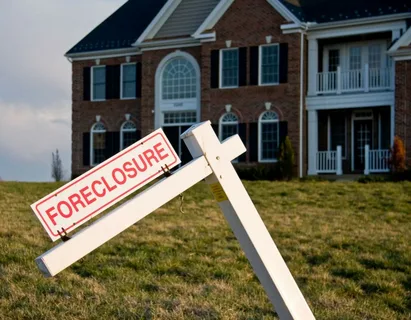
Foreclosure in New Jersey is a court process, not an overnight event. Federal rules generally prevent the first filing until a loan is more than 120 days delinquent. The Fair Foreclosure Act then requires a Notice of Intention to Foreclose at least 30 days before a complaint is filed. After that, mediation, loss-mitigation reviews, statutory adjournments, and the right to sell or redeem create additional windows. The later you wait, the narrower those windows become.
Acting before the sheriff’s sale remains the most important principle. Here is what still works at each stage and why many homeowners succeed in stopping or cleanly exiting the process when they move with clear information.
Key Takeaways
- Contact your servicer and a free HUD-approved housing counselor immediately free help is available.
- New Jersey’s mediation program and statutory adjournments can buy structured time even after a complaint is filed.
- You can still sell the home and stop foreclosure until the sale is completed and confirmed.
- Filing Chapter 13 triggers an automatic stay that can halt a scheduled sheriff’s sale.
- Paid “guaranteed stop foreclosure” services are almost always scams; free counseling and your servicer are the legitimate starting points.
- The sooner you engage, the more options remain open.
Stage 1: Before a Complaint Is Filed
The earliest and widest window is the pre-complaint period. Federal servicing rules and the Fair Foreclosure Act give you time. Use it to:
- Call the loss-mitigation department of your servicer and submit a complete hardship application.
- Contact a free HUD-approved housing counselor (find one via the CFPB or by calling 800-569-4287).
- Explore forbearance, repayment plans, or a loan modification while the loan is still in the pre-foreclosure phase.
- Consider selling if keeping the home is no longer realistic a traditional listing or cash sale can pay off the mortgage and end the process cleanly.
New Jersey also offers pre-foreclosure assistance through the Judiciary and the Housing and Mortgage Finance Agency for eligible homeowners who have not yet received a complaint.
Stage 2: After the Complaint Is Served
Once you receive the summons and complaint, you generally have 35 days to file an answer. You also have a window (typically 60 days from service) to request the statewide Foreclosure Mediation Program. Mediation brings you, the servicer, and a neutral mediator together to explore modification, repayment, short sale, or other resolutions.
During this stage you can still:
- Submit or continue a loss-mitigation application (servicers must evaluate complete applications under federal rules).
- Reinstate the loan by paying the full past-due amount plus allowable costs before final judgment.
- Sell the property; ownership remains yours until the foreclosure sale is completed.
Stage 3: After Final Judgment and Before the Sheriff’s Sale
Even after judgment, options remain. New Jersey law gives every homeowner the right to two statutory adjournments of the sheriff’s sale of up to 10 days each. A third adjournment may be possible by court order for good cause. You can also:
- Redeem by paying the full judgment amount (not just the arrears) before the sale.
- Close a private sale that pays off the judgment and stops the process.
- File Chapter 13 bankruptcy; the automatic stay immediatelyhalts the sale if filed before it occurs.
Stage 4: After the Sheriff’s Sale
After the auction there is a short 10-day period during which you can object to the sale or redeem by paying the full amount due. Once the sale is confirmed and the deed is delivered, options narrow dramatically. Acting before the sale is confirmed is far preferable.
Comparison of Common Stop or Exit Options
| Option | Typical Stage Available | Keeps Home? | Speed of Effect | Key Requirement |
| Loss mitigation / modification | Pre-complaint through late process | Often yes | Weeks to months | Complete application, viable income |
| NJ Mediation | After complaint | Possible | Adds structured time | Timely request |
| Reinstate / redeem | Until sale (or shortly after) | Yes | Immediate once paid | Full past-due or full judgment amount |
| Sell (traditional or cash) | Until sale completed | No | 7–60+ days depending on path | Buyer and clear title |
| Chapter 13 bankruptcy | Until sale occurs | Often yes | Immediate (automatic stay) | Filing petition with attorney |
| Deed-in-lieu | Negotiated, usually earlier | No | 30–90 days | Lender agreement, clear title |
Realistic Case Examples from Industry Experience
Case Study 1 – Early action after notice of intention
A New Jersey homeowner received the Notice of Intention to Foreclose and immediately contacted both the servicer and a housing counselor. A temporary forbearance followed by a repayment plan brought the loan current. No complaint was ever filed.
Case Study 2 – Late-stage sale before sheriff’s sale
Another homeowner had a scheduled sheriff’s sale after final judgment. After using the two statutory adjournments, the family closed a cash sale that paid the judgment in full. The foreclosure process ended without a completed sale on their record.
Practical Next Steps Right Now
- Locate the most recent notice or complaint and note every deadline.
- Call your servicer’s loss-mitigation department and document the conversation.
- Contact a free HUD-approved housing counselor today.
- If a complaint has been served, calendar the mediation request window.
- If a sheriff’s sale is scheduled, note the adjournment rights and any remaining redemption opportunity.
- If selling is under consideration, obtain a realistic value and explore both listing and cash-offer paths immediately.
How Local Support Fits
When keeping the home is no longer viable or the timeline is too short for a traditional listing, a direct cash sale can still stop the foreclosure by paying off the mortgage or judgment before the sheriff’s sale. Local cash buyers who understand New Jersey foreclosure timelines, title requirements, and attorney-review practices can often close quickly and as-is.
If you want to explore what a straightforward cash offer could look like while a foreclosure is pending, the team’s foreclosure solutions page outlines the approach. Many homeowners also value the ability to sell without repairs details are available under as-is purchases or simply need a fast conversation about rapid cash offers.
A Soft Next Step
Start with the free resources: your servicer, a HUD-approved counselor, and, if applicable, New Jersey’s mediation program or the statutory adjournment process. The earlier you act, the more options remain. Whether the best path is retention, modification, or a timely sale that stops the process, clear information and prompt action almost always produce a better outcome than waiting for the next notice.
For official consumer guidance on avoiding foreclosure and spotting scams, visit the Consumer Financial Protection Bureau. Official New Jersey process information is also available through the Courts self-help resources.
FAQs
Can I still stop a foreclosure after a sheriff’s sale is scheduled in New Jersey?
Yes. You generally have two statutory 10-day adjournments, possible court-ordered additional time, the right to redeem by paying the full judgment, the ability to close a private sale, or the option to file Chapter 13 for an automatic stay provided you act before the sale is completed.
What is the Notice of Intention to Foreclose?
Under the Fair Foreclosure Act, the lender must send this written notice at least 30 days (and no more than 180 days) before filing a foreclosure complaint. It explains the default, the amount needed to cure, and your rights.
How does New Jersey foreclosure mediation work?
After the complaint is served, eligible homeowners can request the court-sponsored mediation program (generally within 60 days). A neutral mediator helps the parties explore alternatives such as modification or an agreed sale.
Does selling the house stop the foreclosure?
Yes, if the sale closes and the mortgage or judgment is paid in full before the foreclosure sale is completed. Ownership remains yours until that point.
Can bankruptcy stop a scheduled sheriff’s sale?
Yes. Filing a bankruptcy petition triggers an automatic stay that immediately halts the sale if it has not yet occurred. Chapter 13 can also allow a plan to catch up on arrears while keeping the home.
Is free help available?
Yes. HUD-approved housing counselors provide free assistance. New Jersey also offers pre-foreclosure counseling and the formal mediation program.
What is the 10-day period after a sheriff’s sale?
After the auction there is a short window in which you can object to the sale or redeem by paying the full amount due. Once the sale is confirmed, options narrow sharply.
Should I pay a company that promises to stop foreclosure?
No. Free help is available through counselors and your servicer. Anyone demanding upfront fees or guaranteeing a specific outcome is almost certainly a scam.
How long does the overall foreclosure process usually take in New Jersey?
It varies by county and whether the homeowner contests or seeks mediation, but the judicial process is typically measured in many months rather than weeks, giving meaningful time to act if you start early.
What documents should I gather right away?
Recent mortgage statements, the Notice of Intention or complaint, pay stubs or income proof, bank statements, a hardship letter, and any prior correspondence with the servicer.